English
 中文简体
中文简体 Español
إجابة سريعة: لإزالة الطعام المحترق من أسفل الفرن الكهربائي، استخدم أ صودا الخبز ومعجون الخل يوضع طوال الليل، يليه الفرك بقطعة قماش مبللة - أو قم بتنشيط الفرن الخاص بك دورة التنظيف الذاتي إذا كان متاحا. كلتا الطريقتين فعالتان للغاية وتتجنبان الأضرار الكيميائية القاسية لمكونات الفرن.
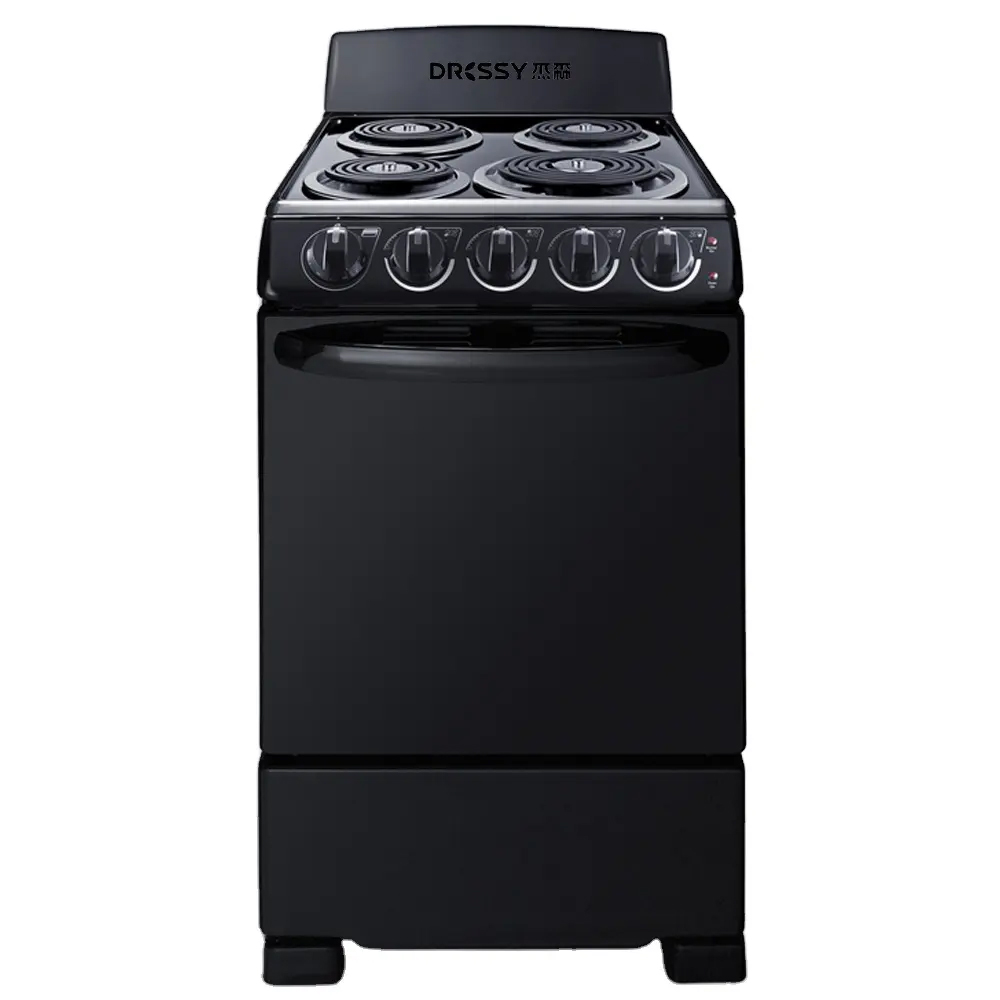
يعد الطعام المحروق في قاع الفرن الكهربائي أحد أصعب تحديات تنظيف المطبخ. يتم خبز تناثر الشحوم والصلصات المسكوبة والجبن المذاب على أرضية الفرن عند درجات حرارة أعلى من 300 درجة فهرنهايت (150 درجة مئوية)، مما يؤدي إلى تفحيمها إلى رواسب صلبة منتجة للدخان. إذا تركت هذه الرواسب دون علاج، فيمكن أن تسبب روائح كريهة، وتطلق إنذارات الدخان، وتؤثر حتى على أداء الطهي. يغطي هذا الدليل التفصيلي كل الطرق المثبتة لتنظيف الطعام المحروق من الفرن الكهربائي الخاص بك - بأمان وفعالية ودون إتلاف المكونات الداخلية.
محتوى
- لماذا يعد حرق الطعام في فرن كهربائي مشكلة خطيرة؟
- احتياطات السلامة قبل البدء في التنظيف
- مقارنة طرق إزالة الطعام المحترق من قاع الفرن الكهربائي
- الطريقة الأولى: صودا الخبز ومعجون الخل (الأفضل بشكل عام)
- الطريقة الثانية: دورة التنظيف الذاتي (بدون جهد ولكن مكثفة)
- الطريقة الثالثة: رذاذ منظف الفرن التجاري
- الطريقة الرابعة: صابون الأطباق والماء المغلي (للانسكابات الطازجة)
- الطريقة الخامسة: التنظيف بالبخار بالليمون (طبيعي ومزيل للروائح الكريهة)
- كيفية تنظيف اللوحة السفلية للفرن القابلة للإزالة
- ما هي الطريقة التي يجب اختيارها بناءً على خطورة البناء؟
- ما لا يجب فعله عند تنظيف قاع الفرن الكهربائي
- كيفية منع احتراق الطعام في الفرن الكهربائي
- الأسئلة المتداولة
- الخلاصة: الطريقة الصحيحة تصنع الفارق
لماذا يعد حرق الطعام في فرن كهربائي مشكلة خطيرة؟
يؤدي تجاهل البقايا المحترقة إلى تدهور الأداء ومخاطر محتملة على السلامة. وفقا لبيانات إصلاح الجهاز، تقريبا 35% من مكالمات خدمة الفرن السكني ترتبط بالمشكلات المتعلقة بالتنظيف - بما في ذلك تلف الدخان، وفشل عناصر التسخين الناتجة عن تقطير الشحوم، وعدم دقة منظم الحرارة بسبب تراكم الكربون.
- الدخان والروائح: يحترق الطعام المتفحم في كل مرة يسخن فيها الفرن، مما يؤدي إلى إطلاق دخان لاذع يلوث نكهات الطعام.
- خطر الحريق: يمكن أن يشتعل تراكم الشحوم السميكة بالقرب من عنصر التسخين السفلي عند درجات حرارة عالية.
- التدفئة غير المتكافئة: يعكس السطح السفلي المتكتّل الحرارة بشكل غير متساوٍ، مما يؤدي إلى نتائج خبز غير متناسقة.
- ضرر العنصر: قد يؤدي تساقط بقايا الطعام إلى حدوث ماس كهربائي أو تآكل عنصر التسخين السفلي بمرور الوقت.
احتياطات السلامة قبل البدء في التنظيف
قم دائمًا بفصل الفرن الكهربائي أو إيقاف تشغيله واتركه حتى يبرد تمامًا قبل التنظيف. تمثل الأفران الكهربائية مخاطر فريدة مقارنة بنماذج الغاز، حيث تتطلب الحرارة المتبقية وعناصر التسخين المكشوفة والتوصيلات الكهربائية معالجة دقيقة.
- قم بإيقاف تشغيل الفرن وافصله من مقبس الحائط، أو قم بفصل قاطع الدائرة الكهربائية.
- السماح على الأقل 2 ساعة ليبرد الفرن إلى درجة حرارة الغرفة قبل ملامسة الأسطح الداخلية.
- قم بإزالة رفوف الفرن، وصواني التنقيط، ولوحة الفرن السفلية (إذا كانت قابلة للإزالة) قبل التنظيف.
- ارتد قفازات مطاطية لحماية يديك من عوامل التنظيف والحطام الحاد.
- لا تقم أبدًا برش المنظفات السائلة مباشرة على عناصر التسخين أو التوصيلات الكهربائية.
- افتح نافذة قريبة أو قم بتشغيل مروحة عادم المطبخ للتهوية.
مقارنة طرق إزالة الطعام المحترق من قاع الفرن الكهربائي
تعد طريقة معجون صودا الخبز هي الخيار الأفضل لمعظم الأسر - إنه آمن وغير مكلف وفعال في حالة التراكمات المتوسطة إلى الثقيلة دون المخاطرة بإتلاف تشطيبات الفرن أو عناصر التسخين.
| الطريقة | مستوى الجهد | الوقت المطلوب | أفضل ل | التكلفة | العنصر آمن؟ |
|---|---|---|---|---|---|
| صودا الخبز والخل | منخفض – متوسط | 8-12 ساعة | تراكم معتدل إلى كثيف | أقل من 2 دولار | نعم |
| دورة التنظيف الذاتي | منخفض جدًا | 2-6 ساعات | بقايا ثقيلة وواسعة الانتشار | 0 دولار (الكهرباء) | يمكن التأكيد على العناصر |
| صابون الأطباق والماء الساخن | متوسط | 30-60 دقيقة | انسكابات خفيفة وجديدة | أقل من 1 دولار | نعم |
| منظف الفرن التجاري | منخفض | 1-4 ساعات | الطعام المحترق العنيد القديم | 5 دولارات - 12 دولارًا | تجنب الاتصال |
| مقشر الملح | عالية | 20-40 دقيقة | بقع موضعية صغيرة | أقل من 1 دولار | نعم |
| بخار ملح الليمون | منخفض | 45-60 دقيقة | إزالة الروائح الكريهة من بقايا الضوء | أقل من 2 دولار | نعم |
الجدول 1: مقارنة بين ست طرق لإزالة الطعام المحترق من قاع الفرن الكهربائي، مصنفة حسب الجهد والوقت والتكلفة وسلامة عناصر التسخين.
الطريقة الأولى: صودا الخبز ومعجون الخل (الأفضل بشكل عام)
تعتبر طريقة صودا الخبز والخل الأبيض الحل الطبيعي الأكثر فعالية لإزالة الطعام المحترق من قاع الفرن الكهربائي. تتفاعل صودا الخبز القلوية مع الخل الحمضي لتكوين حركة فوارة تعمل على تفكيك الرواسب المتفحمة دون خدش بطانة مينا الفرن.
ما تحتاجه
- نصف كوب من صودا الخبز
- 2-3 ملاعق كبيرة من الماء (لتكوين عجينة)
- نصف كوب من الخل الأبيض في زجاجة رذاذ
- قفازات مطاطية
- وسادة تنظيف غير قابلة للخدش أو فرشاة أسنان قديمة
- أقمشة مبللة من الألياف الدقيقة
- مكشطة بلاستيكية أو ملعقة سيليكون
تعليمات خطوة بخطوة
- إزالة الحطام السائب: بمجرد أن يبرد الفرن، استخدم قطعة قماش جافة أو فرشاة لإزالة بقايا الطعام والرماد من أرضية الفرن.
- خلط المعجون: في وعاء صغير، اخلطي نصف كوب من صودا الخبز مع 2-3 ملاعق كبيرة من الماء حتى تحصلي على عجينة سميكة وقابلة للدهن.
- تنطبق على المناطق المحروقة: قم بتوزيع المعجون بسخاء على جميع بقع الطعام المحترقة في قاع الفرن. تجنب وضعه على عناصر التسخين أو الأجزاء الكهربائية. للحصول على رواسب سميكة جدًا، ضعي طبقة بسمك ¼ بوصة.
- ترك بين عشية وضحاها: اسمح للمعجون بالجلوس لمدة لا تقل عن 8-12 ساعة (بين عشية وضحاها مثالية). كلما طال أمدها، كلما تغلغلت صودا الخبز في الأطعمة المتفحمة وحطمتها.
- رش بالخل: في صباح اليوم التالي، رش الخل الأبيض على المعجون المجفف. سوف يفور على الفور، حيث يعمل هذا التفاعل الكيميائي على تفكيك البقايا المحترقة.
- فرك ومسح: استخدم قطعة قماش غير قابلة للخدش أو قطعة قماش مبللة لفرك البقايا المفككة بحركات دائرية. بالنسبة للزوايا، استخدمي فرشاة أسنان قديمة.
- شطف جيدا: امسح أرضية الفرن بقطعة قماش نظيفة ورطبة عدة مرات حتى تتم إزالة جميع صودا الخبز والبقايا بالكامل. أي بقايا من صودا الخبز سوف تنتج دخانًا أبيض في المرة التالية التي تقوم فيها بتسخين الفرن.
نصيحة للمحترفين: بالنسبة للطعام المحترق العنيد للغاية، ضعي طبقة معجون ثانية واتركيها لمدة 24 ساعة كاملة قبل الفرك. تظهر الدراسات التي أجريت على عوامل التنظيف القلوية أن تمديد وقت المكوث من 8 إلى 24 ساعة يزيد من فعالية تحلل المواد العضوية المتفحمة بنسبة تصل إلى 40% .
الطريقة الثانية: دورة التنظيف الذاتي (بدون جهد ولكن مكثفة)
يعد استخدام وظيفة التنظيف الذاتي للفرن الكهربائي الطريقة الأكثر سهولة لحرق الطعام المحترق، ولكن لا ينبغي استخدامها أكثر من 3-4 مرات في السنة. تقوم دورات التنظيف الذاتي بتسخين الفرن إلى درجات حرارة تتراوح بين 900 درجة فهرنهايت و1000 درجة فهرنهايت (480-538 درجة مئوية) حيث تحول جميع بقايا الطعام إلى رماد أبيض ناعم يمكن مسحه بسهولة.
كيفية استخدام دورة التنظيف الذاتي بأمان
- قم بإزالة جميع رفوف الفرن (قد تؤدي الحرارة المرتفعة لفترة طويلة إلى تشوهها) وأي ورق ألومنيوم على أرضية الفرن.
- امسح أي انسكابات كبيرة أو برك من الشحوم يدويًا قبل تشغيل الدورة - فالشحوم الزائدة يمكن أن تشتعل فيها النيران.
- أغلق باب الفرن وحدد وظيفة التنظيف الذاتي على لوحة التحكم الخاصة بك. تعمل معظم الدورات لمدة 2-6 ساعات .
- ابق في المنزل وقم بتهوية المطبخ جيدًا طوال الدورة. سيصدر الفرن بعض الدخان والروائح، وهذا أمر طبيعي.
- لا تحاول فتح باب الفرن أثناء الدورة. يتم قفل الباب تلقائيًا كميزة أمان.
- بعد انتهاء الدورة ويبرد الفرن (1-2 ساعة)، امسح الرماد الأبيض من أرضية الفرن بقطعة قماش مبللة.
تحذير هام: قد يؤدي الإفراط في استخدام دورة التنظيف الذاتي إلى تقصير عمر الفرن. تؤثر الحرارة الشديدة على عناصر التسخين ولوحة التحكم وأختام الأبواب. أفاد فنيو الأجهزة أن الأفران ذات دورات التنظيف الذاتي المتكررة (أكثر من 6 مرات سنويًا) تكون أكثر عرضة للتعرض لاحتراق العناصر خلال 5 سنوات.
الطريقة الثالثة: رذاذ منظف الفرن التجاري
تعتبر منظفات الأفران التجارية التي تحتوي على هيدروكسيد الصوديوم (الغسول) أسرع محلول كيميائي لإذابة سنوات من الشحوم المخبوزة والأطعمة المتفحمة. تعمل هذه المنتجات عادةً خلال 20 إلى 60 دقيقة وتتطلب الحد الأدنى من الفرك.
خطوات التطبيق
- ارتدي القفازات المطاطية وحماية العين. النوافذ المفتوحة – الأبخرة كاوية.
- رش المنظف بالتساوي على الجزء السفلي من الفرن، تجنب عناصر التسخين وحشية باب الفرن .
- دع المنتج يستقر خلال الوقت المذكور على الملصق الخاص به (عادةً من 20 دقيقة إلى ساعتين للتراكم الثقيل).
- امسح بقطعة قماش مبللة أو مناشف ورقية. شطف جيدا 2-3 مرات لإزالة جميع البقايا الكيميائية.
- قم بتشغيل الفرن على حرارة 300 درجة فهرنهايت لمدة 15 دقيقة مع فتح النافذة لحرق أي آثار كيميائية متبقية قبل الطهي.
الطريقة الرابعة: صابون الأطباق والماء المغلي (للانسكابات الطازجة)
بالنسبة لانسكابات الطعام التي لم يتم نضجها بالكامل بعد، يعد الماء الساخن وصابون الأطباق أسرع وأبسط طريقة للتنظيف. تصرف خلال 30-60 دقيقة من الانسكاب للحصول على أفضل النتائج.
- بينما لا يزال الفرن دافئًا قليلًا (ليس ساخنًا)، اسكب كمية صغيرة من صابون الأطباق مباشرة على البقعة.
- اسكبي كوبًا من الماء الساخن جدًا فوقه واتركيه منقوعًا لمدة 15-20 دقيقة.
- افركه باستخدام وسادة مضادة للخدش، ثم امسحه بقطعة قماش مبللة.
الطريقة الخامسة: التنظيف بالبخار بالليمون (طبيعي ومزيل للروائح الكريهة)
يعد التنظيف بالبخار بعصير الليمون طريقة لطيفة وغير سامة ومثالية لتراكم الضوء والتخلص من روائح الحروق في نفس الوقت.
- املأ وعاءً آمنًا للاستخدام في الفرن أو طبق خبز بكوب واحد من الماء وعصير 2-3 ليمونات. قم بإسقاط نصفي الليمون أيضًا.
- ضعي الوعاء على رف الفرن، وسخني الفرن حتى يسخن 250 درجة فهرنهايت (120 درجة مئوية) لمدة 30 دقيقة. سوف يعمل البخار على تفكيك البقايا وتحييد الروائح.
- أطفئ الفرن واتركه يبرد لمدة 15-20 دقيقة. ثم امسح البقايا الناعمة بقطعة قماش مبللة.
كيفية تنظيف اللوحة السفلية للفرن القابلة للإزالة
تحتوي العديد من الأفران الكهربائية على لوحة سفلية قابلة للإزالة تقع فوق عنصر التسخين السفلي، ويمنحك تنظيفها بشكل منفصل وصولاً أفضل بكثير إلى الرواسب الثقيلة.
- راجع دليل الفرن الخاص بك للتأكد من أن اللوحة السفلية قابلة للإزالة. يتم رفع معظمها أو تنزلق للخارج بعد إزالة المسمار الأمامي.
- احمل اللوحة إلى الحوض. رشها بمنظف تجاري أو قم بتغليفها بمعجون صودا الخبز.
- اسمح للمنتج بالبقاء لفترة الثبات الموصى بها، ثم افركه باستخدام وسادة التنظيف.
- اشطف اللوحة جيدًا تحت الماء الساخن الجاري، وجففها بالكامل، وأعد تركيبها قبل استخدام الفرن.
ما هي الطريقة التي يجب اختيارها بناءً على خطورة البناء؟
قم بمطابقة طريقة التنظيف الخاصة بك مع مدى خطورة رواسب الطعام المحروقة للحصول على أفضل النتائج بأقل جهد.
| خطورة التراكم | الوصف | الطريقة الموصى بها |
|---|---|---|
| خفيف (المستوى 1) | الانسكاب الأخير، تغير اللون الخفيف | صابون الأطباق بالماء الساخن، أو بخار الليمون |
| معتدل (المستوى 2) | أسابيع من الشحوم المخبوزة، وبعضها أسود | معجون خل صودا الخبز (بين عشية وضحاها) |
| ثقيل (المستوى 3) | أشهر من رواسب الكربون، القشرة الصلبة | المنظف التجاري أو دورة التنظيف الذاتي |
| المدقع (المستوى 4) | سنوات من التراكم، قشرة سوداء سميكة طوال الوقت | متابعة النظافة التجارية لدورة التنظيف الذاتي |
الجدول 2: طريقة التنظيف الموصى بها حسب مستوى خطورة تراكم الطعام المحترق في الفرن الكهربائي.
ما لا يجب فعله عند تنظيف قاع الفرن الكهربائي
قد تؤدي بعض طرق التنظيف إلى إتلاف الجزء الداخلي للفرن الكهربائي بشكل دائم، أو إلغاء الضمان، أو خلق مخاطر على السلامة. تجنب كل ما يلي:
- لا تستخدم الصوف الصلب أو كاشطات معدنية - تؤدي هذه إلى خدش طلاء المينا، مما يجعل التصاق الطعام في المستقبل أسوأ ويخلق بقع الصدأ.
- لا تقم أبدًا برش الماء أو المنظفات مباشرة على عناصر التسخين — حتى عندما تكون باردة، يمكن أن تؤدي الرطوبة إلى إتلاف الطبقة الخارجية للعنصر والتسبب في حدوث أعطال كهربائية.
- تجنب المنتجات التي تحتوي على مواد التبييض — يمكن أن يتسبب المبيض في إتلاف أختام الفرن، وتغير لون المينا، وترك بقايا سامة تلوث الطعام عند تسخينه.
- لا تقم بتبطين أرضية الفرن بورق الألمنيوم "كحماية" - يؤدي ذلك إلى منع تدفق الهواء، وتعطيل التدفئة، ويمكن أن يذوب أو يندمج في أرضية الفرن، مما يسبب ضررًا دائمًا.
- لا تقم بتنظيف الفرن الذي لا يزال دافئًا — تنتج منتجات التنظيف الموجودة على الأسطح الساخنة أبخرة سامة ويمكن أن تسبب حروقًا.
- لا تقم مطلقًا بتشغيل دورة التنظيف الذاتي وأرفف الفرن بالداخل - تؤدي الحرارة الشديدة إلى اعوجاج الرفوف الفولاذية ويمكن أن تلحق الضرر بموجهات الحامل.
كيفية منع احتراق الطعام في الفرن الكهربائي
الوقاية أسهل بكثير من الإزالة - بعض العادات البسيطة تحافظ على نظافة أرضية الفرن الكهربائي دون أي جهد تقريبًا.
- استخدمي بطانات آمنة للاستخدام في الفرن: توضع بطانات الفرن غير اللاصقة (الحصائر المطلية بـ PTFE) على الرف الموجود أسفل الطعام لالتقاط القطرات. إنها آمنة للاستخدام في غسالة الأطباق وقابلة لإعادة الاستخدام لسنوات.
- ضع صينية الخبز تحت الأطباق المعرضة للتنقيط: دائمًا ما تفيض الأوعية المقاومة للحرارة والفطائر والفاكهة. ضع دائمًا صينية الخبز ذات الحواف على رف واحد بالأسفل.
- لا تملأ أطباق الخبز أكثر من اللازم: اترك مسافة لا تقل عن بوصة واحدة من أعلى الطبق لمنع الغليان.
- امسح الانسكابات فورًا بعد كل استخدام: بمجرد أن يبرد الفرن ليصبح دافئًا (ليس ساخنًا)، امسح الانسكابات الجديدة بقطعة قماش مبللة. يتم تنظيفها في ثوانٍ عندما تكون طازجة مقابل ساعات عندما تكون متفحمة.
- قم بالتنظيف الشهري الخفيف: إن المسح السريع باستخدام طريقة معجون صودا الخبز مرة واحدة في الشهر يمنع تراكم معتدل من أي وقت مضى.
الأسئلة المتداولة
الخلاصة: الطريقة الصحيحة تصنع الفارق
لا تتطلب إزالة الطعام المحترق من قاع الفرن الكهربائي منتجات باهظة الثمن أو مساعدة احترافية. بالنسبة لمعظم الأسر، طريقة صودا الخبز والخل طوال الليل يتعامل مع كل شيء بدءًا من بضعة أسابيع من الشحوم إلى أشهر من البقايا المتفحمة. للمواقف الأثقل، أ منظف الفرن التجاري أو دورة التنظيف الذاتي يتعامل حتى مع الودائع الأكثر عنادا.
القاعدة الأكثر أهمية بسيطة: التصرف مبكرا والتصرف في كثير من الأحيان. يستغرق المسح السريع بعد كل استخدام أقل من دقيقة ويمكن أن يوفر عليك جلسة تنظيف عميقة تستغرق عدة ساعات في المستقبل. احتفظ بصودا الخبز والخل الأبيض في خزانة مطبخك، حيث يمكن القول إنهما أكثر مواد التنظيف المتاحة تنوعًا، ولا تكلفان شيئًا تقريبًا.
مع اتباع النهج الصحيح والقليل من الصبر، يمكن أن يصبح الجزء الداخلي من الفرن الكهربائي نظيفًا وخاليًا من الدخان ويتم طهيه بأفضل أداء في وقت قصير.